
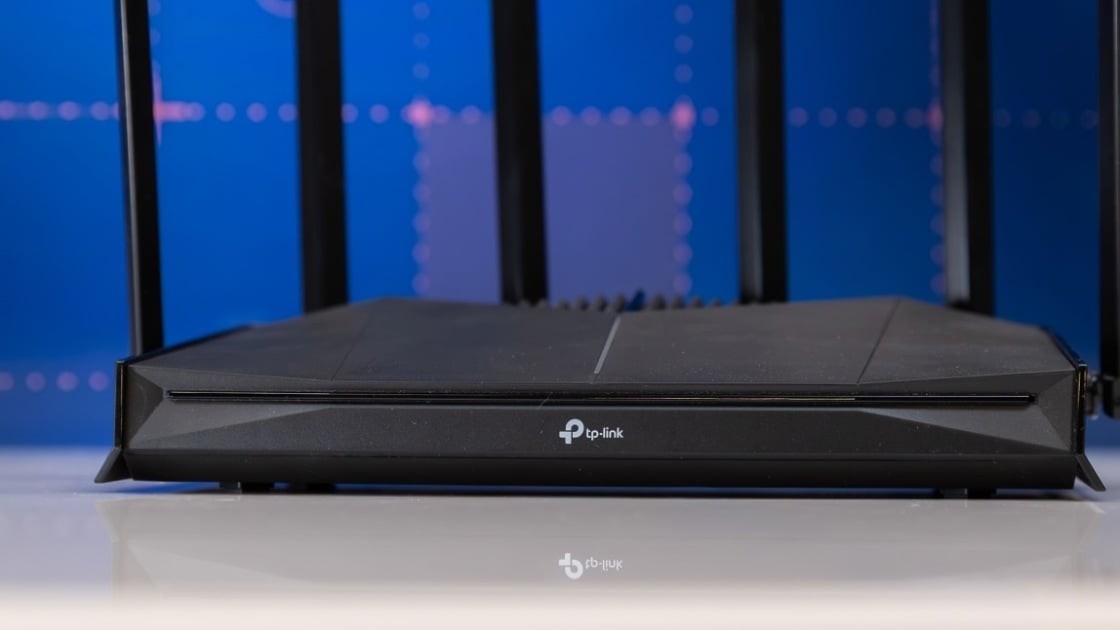
TP-Link, the world's largest home Wi-Fi router maker, signed a letter of intent on Monday, October 19, with American contract manufacturer Keytronic to assemble its next-generation Wi-Fi 8 routers in Corinth, Mississippi, as early as next year, according to PC Magazine. The move is the company's most concrete answer yet to Washington's ban on foreign-made routers, a policy that threatens to push the Chinese-founded firm out of the US market entirely.
But the deal also exposes a problem that goes well beyond one company. The regulatory standard for what counts as “American-made” remains undefined, and TP-Link's executives say the confusion is forcing manufacturers to guess what regulators want. For a country that claims to champion free enterprise, Washington has built a rulebook that nobody, including the regulators themselves, seems able to read.
A Mississippi Assembly Line, but Foreign Components
Keytronic, headquartered in Spokane Valley, Washington, began as a keyboard maker and now runs contract manufacturing for a range of electronics. Under the agreement, it would assemble TP-Link's Wi-Fi 8 routers at its Corinth facility starting as early as 2027. The announcement follows TP-Link's disclosure to the Federal Communications Commission that it is weighing a nearly $1 billion investment in US manufacturing, a sum that corporate affairs officer Steve Kovsky said covers more than the Keytronic deal alone.
The catch is that assembly is not the same as manufacturing. Many router components simply cannot be sourced inside the United States, Kovsky told PC Magazine.
“Many [components] are just not available from a domestic source, and this is not a TP-Link issue. This is an issue for all manufacturers that are trying to onshore manufacturing,” Kovsky said.
The FCC's own FAQ on the ban refers to a “content threshold” but never defines it. It says only that the White House treats production as “any major stage of the process through which the device is made including manufacturing, assembly, design, and development.” Kovsky pointed out that even buying chipsets from Qualcomm and Broadcom, both US-headquartered companies, may not settle the question, since both rely on foreign semiconductor fabrication, notably from Taiwan's TSMC.
“There are no published guidelines that say, 'Well, it could be 25% US, or it could be 15% US,'” Kovsky said. “The point is there isn't a lot of clarity.”
An Exemption Process Rivals Have Already Passed
TP-Link has applied for a temporary exemption, known as conditional approval, from the ban. Netgear, Asus, and Amazon's eero have already received exemptions for their upcoming Wi-Fi products. Applicants must submit a detailed, time-bound plan for domestic manufacturing, the country of origin for every router component, and the origin of all onboard software and firmware. The final exemption decision rests not with the FCC but with the Department of Defense or the Department of Homeland Security.
TP-Link currently builds its US-bound routers in Vietnam. Kovsky said the Vietnamese factory employs 3,000 direct employees and rejected suggestions that the company has overstated the Vietnamese nature of its production. “Raw components are coming and finished products are coming out,” he said.
On the pace of the review, Kovsky was diplomatic. “There hasn't been an undue delay on the part of any of the regulatory agencies,” he said, adding that both sides are “operating on a trust basis.”
Chinese Shadows and the Cost of Reshoring
TP-Link's deeper problem is political. Founded in Shenzhen, the company has spent years fending off allegations that its routers pose hacking risks and that it maintains ties to the Chinese government. Earlier this month, four US states filed lawsuits accusing TP-Link of misleading the public about router security and of potentially sourcing components and firmware from China. TP-Link Systems split from its Chinese parent in 2024, is now headquartered in Irvine, California, and its CEO Jeffrey Chao is seeking US citizenship, Kovsky said.
Washington has a track record here. Huawei, ZTE, and most recently the drone maker DJI have all been blocked from the US market on national security grounds. Kovsky insisted there is no hidden agenda on TP-Link's side. “Our aim is to show what kind of company TP-Link really is, what it values, who its people are and there's no secret agenda,” he said. “If we've erred it's on the side of being too quiet, perhaps.”
The reshoring push may also hit consumers' wallets. TP-Link's first Wi-Fi 8 router is up for preorder in Canada at 999 Canadian dollars, roughly 705 US dollars. Kovsky said next-generation products typically start expensive and that US assembly carries a premium. “You're not chasing the lowest wage to build that product,” he said. “It can mean higher quality, but it can also mean higher price points.”
That premium is the quiet tax at the heart of industrial policy. Consumers pay more so politicians can claim supply chains are secure, without any published standard proving they actually are. The same dynamic is already visible across the electronics industry, where component costs are climbing for reasons that have nothing to do with market demand, as seen with