
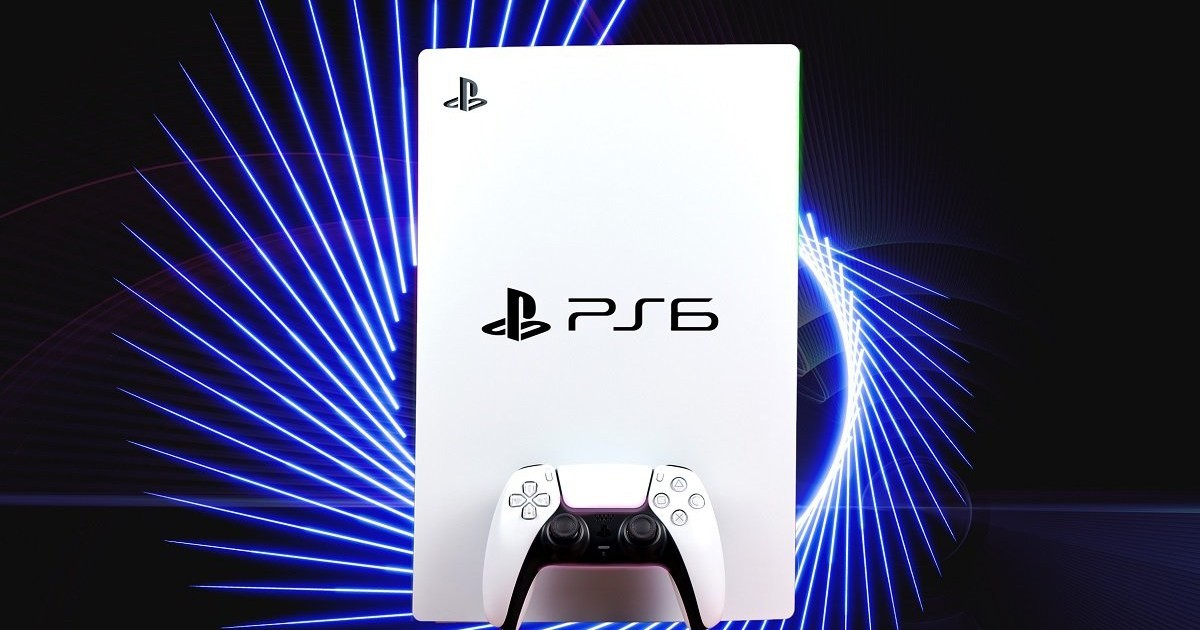
The next PlayStation will likely cost more than $1,000, according to new estimates reported by Metro on October 19, 2026, with memory components alone accounting for $680 of the final bill.
Industry insider KeplerL2, writing on the NeoGAF forum, said the RAM and NAND flash memory required for a single PlayStation 6 unit will cost over $680, roughly £510. That figure comes on top of the processor, the drive, and everything else that goes into a modern console. KeplerL2 had previously estimated the raw materials for Sony's next machine at nearly $1,000, and the new numbers suggest the situation is getting worse, not better.
Why the PlayStation 6 is getting so expensive
The blame sits squarely on the artificial intelligence boom. The rush to build AI data centres has sent the price of memory and storage soaring, and console makers buy from the same suppliers as everyone else. There are early signs that the AI data centre bubble may be deflating, but prices have not come down yet, and component costs are still climbing.
Sony has said it does not intend to sell the PlayStation 6 at a loss, which removes the traditional escape hatch. For decades, console manufacturers absorbed hardware losses and recouped the money through software sales. That model allowed consoles to stay affordable for ordinary households. If Sony holds to its stated position, the retail price of the PlayStation 6 could comfortably exceed £1,000 in the UK, a level that no mass market console has ever approached.
For context, the PlayStation 5 Pro already sells for nearly £800 in the UK, though that machine targets hardcore fans rather than casual players. A generational leap that prices out the mainstream buyer would change the economics of the industry entirely.
What it means for gamers and for the market
There is a lesson here that goes beyond gaming. When a handful of hyperscale buyers, in this case AI data centre operators, corner the supply of a component, everyone downstream pays. Sony and Microsoft, two of the largest technology companies on the planet, have no way around it. That is what concentrated demand does to prices, and no amount of corporate scale can fix it.
Microsoft faces the same problem with its next console, Project Helix, which rumours suggest is targeting a 2027 launch. Sony is expected to try to match that timing, though neither company has confirmed anything. Given the volatility of component markets, both manufacturers may delay their next generation in the hope that prices fall. Sony has given no real indication of when the PlayStation 6 might arrive.
A portable stopgap before the real thing?
Most of the current rumours about Sony's plans centre not on the PlayStation 6 but on a portable device, believed to run PlayStation 5 games at reduced fidelity. Releasing a handheld based on current technology would be a sensible bridge while waiting for component costs to settle, though Sony has made no announcement and the speculation remains just that.
What is clear is the arithmetic. If memory alone costs $680 per unit, and Sony refuses to subsidise the hardware, the PlayStation 6 will be the most expensive mainstream console ever released. Whether consumers will pay that price, in Guyana and elsewhere, where imported electronics already carry heavy markups, is another question entirely.
FAQ
How much will the PlayStation 6 cost?
According to estimates reported by Metro on October 19, 2026, the PlayStation 6 will likely cost more than $1,000, with memory components alone estimated at over $680 per unit.
Why are console prices rising?
The construction of AI data centres has driven up global demand for RAM and NAND flash memory, raising component costs for console manufacturers like Sony and Microsoft.
When will the PlayStation 6 be released?
Sony has not announced a release date. Rumours suggest Microsoft's Project Helix is aiming for 2027, and Sony may attempt to match it, though delays are possible if component prices remain high.