
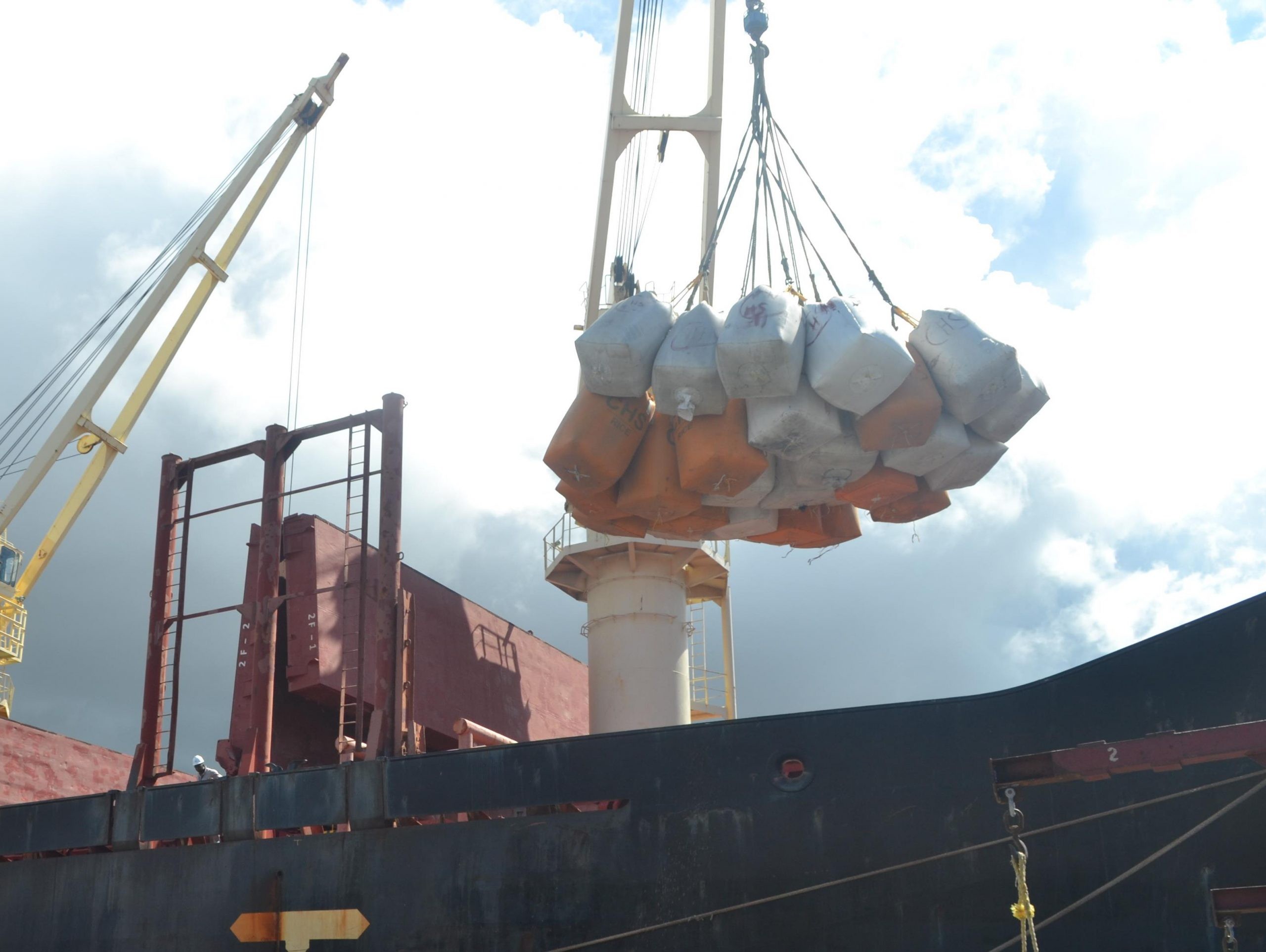
Paddy prices have climbed to $3,500 per bag, Agriculture Minister Zulfikar Mustapha announced on October 25, 2026, as the Government pushes to open new export markets for Guyanese rice, including a possible revival of the once lucrative Venezuelan trade.
Speaking to farmers at Big Biaboo, Region Five, Mustapha said international market conditions had driven the improvement and voiced hope that prices would keep rising, according to INews Guyana.
Why paddy prices are rising
The increase ends a painful stretch for rice farmers, who endured two years of depressed prices that forced Government interventions to supplement their earnings. Mustapha acknowledged those difficulties and pointed to the relief measures introduced after consultations between President Dr Irfaan Ali and rice farmers.
That assistance was calculated by acreage, with payments of $10,000 and $15,000 per acre made on top of what farmers received from millers.
Now, with a bag of paddy fetching $3,500, market forces are doing what subsidies only partially achieved. A higher farmgate price, driven by demand rather than treasury transfers, is the healthiest signal a productive industry can receive.
Venezuela: a market worth reviving, with eyes open
The most striking name on the list of prospective buyers is Venezuela. Before 2015, under the PetroCaribe arrangement, Venezuela was one of Guyana's most lucrative rice markets, paying in arrangements tied to energy cooperation.
Mustapha recalled those benefits plainly.
I am hoping that we can revive the market in Venezuela, too.
He announced no new agreement and gave no timeline for when exports might resume. That gap matters. Venezuela remains an economy in collapse, managed by a regime whose expropriations and currency controls destroyed its own agricultural sector. Guyana should sell rice to any buyer willing to pay in hard currency, but a revived arrangement must be a commercial contract, not a political dependency. The PetroCaribe model, which tied export earnings to discounted oil, embedded Guyanese farmers' incomes in the fiscal whims of a foreign government. Trade with Caracas, yes; credit exposure to Caracas, never.
Kenya and the wider Caribbean in the export push
Mustapha also disclosed that he had met with Kenya's ambassador as part of efforts to broaden agricultural trade. Diversifying beyond the region makes commercial sense for an industry whose output keeps growing.
The Government is simultaneously working to expand exports within the Caribbean, Guyana's natural market, where food import bills remain high and logistics are short.
Separately, the Ministry has been promoting direct farm-to-consumer channels; the Guyana Chronicle reported that Mustapha credited the Farmers' Market initiative at the National Exhibition Centre with easing food price pressure for both vendors and consumers.
Production keeps climbing
The export drive reflects a simple arithmetic problem: Guyana is producing more rice than its traditional buyers can absorb. Mustapha reported that the country had already produced more than 830,000 tonnes of rice in 2026, up from between 810,000 and 825,000 tonnes in 2025 and just under 500,000 tonnes in 2020.
That is a near doubling of output in six years, supported by Government investment and productivity measures. It is also a reminder of what private initiative, given land, drainage and reasonable conditions, can accomplish in Guyana.
Should rice be a private-sector affair?
Mustapha rejected the notion that rice cultivation should be regarded exclusively as a private-sector undertaking, citing years of financial assistance and public investment as evidence of the administration's commitment.
The record is more mixed than the Minister suggests. The per-acre payments of the past two years were a response to a price collapse, not a development strategy. Subsidies that cushion farmers during downturns are defensible; subsidies that permanently replace market income are not. The strongest case for the Government here is not the handouts but the market-opening work: finding buyers in Nairobi, Bridgetown and, potentially, Caracas is exactly the kind of facilitation a state can do better than any individual farmer.
Agriculture remains Guyana's largest private employer, and rice its most export-dependent crop. Every new buyer secures incomes without costing the treasury a dollar. That is the standard against which the Ministry's market push should be judged.
What happens next
For now, farmers are selling into a firmer market, and the Minister is promising more buyers. The test of the Venezuela talk will be a signed contract with payment terms that protect Guyanese millers. The test of the Kenya discussions will be whether Kenyan purchases actually materialize. And the test for farmers is whether $3,500 becomes a floor, not a peak.
Frequently asked questions
What is the current price of paddy in Guyana?
Paddy prices have reached $3,500 per bag, according to Agriculture Minister Zulfikar Mustapha, who announced the figure on October 25, 2026, and expressed hope that prices would rise further.
Why did Venezuela stop buying Guyanese rice?
Venezuela was one of Guyana's most lucrative rice markets before 2015 under the PetroCaribe arrangement. That trade ended amid Venezuela's economic and political collapse.
How much rice did Guyana produce in 2026?
Mustapha reported that Guyana had already produced more than 830,000 tonnes of rice in 2026, up from roughly 810,000 to 825,000 tonnes in 2025 and just under 500,000 tonnes in 2020.