
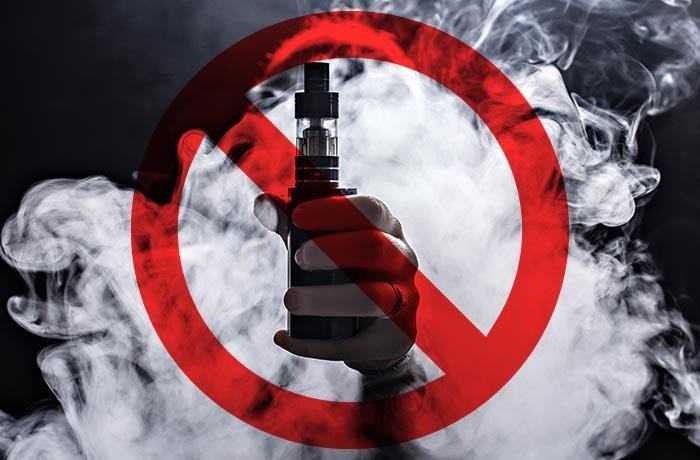
Finance Minister Dr. Ashni Singh has signed the Customs (Amendment of Second Schedule) Order 2026, placing sweeping restrictions on the importation of vaping products into Guyana, according to INews Guyana. The Order, signed on November 10, 2026, was published in the Official Gazette and is now in effect.
The move follows President Irfaan Ali's announcement that his government would restrict vape imports, citing concerns raised by parents, teachers, religious leaders and other members of society over the widespread and unregulated sale and use of vaping products, particularly among children and young people.
What the Customs (Amendment of Second Schedule) Order 2026 Does
The Order amends the Second Schedule to the Customs Act and restricts the importation of vaping products, vaping devices, vaping components and vaping substances, except where importation is approved in writing by the Minister responsible for Health. News Room Guyana reported that the Order was made by Dr. Singh under powers conferred by Section 43(2) of the Customs Act.
The Health Minister may not grant approval unless the vaping products are intended for scientific research, training or medical purposes, according to the text of the Order as published in the Gazette.
The Order defines vaping products broadly to include any vaping device, component or substance, whether or not it contains or is intended for use with nicotine, tobacco, cannabis, a cannabinoid or any other substance, regardless of brand, shape, size or form. A vaping device is defined as any disposable, rechargeable or refillable device that uses a battery or other non-combustion energy source to heat, vaporise or aerosolize a substance and produces an aerosol, vapour or mist for inhalation. This covers electronic cigarettes, electronic cigars, vape pens, pod devices, box mods, dab pens and dry-herb vaporizers, among others.
Vaping substances are defined as any substance or mixture, including e-liquids, oils, distillates, concentrates, waxes, resins or gels, whether or not they contain nicotine or a cannabinoid, that are packaged or intended for use with a vaping device.
Medical inhalation products, humidifiers, diffusers and similar appliances that release vapour into a room rather than for direct inhalation are excluded from the restrictions, as are devices designed for the diagnosis, treatment, mitigation or prevention of disease.
Why the Government Says It Acted
President Ali said his government was prompted by concerns about nicotine addiction, potential effects on brain development in children and adolescents, risks during pregnancy, and effects on respiratory and mental health.
"The absence of complete knowledge about those long-term effects must not be mistaken for evidence of safety," Ali warned.
He added: "As a responsible government, as a listening government, we have a duty to protect public health, particularly the health and well-being of our children and young people and to ensure that products presenting potential risks to consumers are subject to appropriate oversight and control."
The President urged parents, teachers, religious leaders and community leaders to educate children and young people about the dangers of vaping, in particular the risks associated with additives.
"We have to protect our children, we have to protect our schools, we have to protect our society," he said.
What Happens Next for Vaping Regulation in Guyana
The government says the restriction measure is intended to strengthen safeguards and protect public health while allowing the relevant authorities to approve legitimate medical and therapeutic applications. The Jamaica Gleaner also reported on the signing, noting that the Order was published in the Official Gazette following the President's announcement.
The measure represents a significant tightening of import controls on a product category that has so far operated largely outside regulatory oversight in Guyana. Businesses involved in the importation and sale of vaping products will now require written approval from the Health Minister to bring goods into the country, and only for research, training or medical purposes.
FAQ
Are vapes now banned in Guyana?
The importation of vaping products, devices, components and substances is restricted under the Customs (Amendment of Second Schedule) Order 2026, with exceptions only for scientific research, training or medical purposes approved in writing by the Health Minister.
When did the vaping import restrictions take effect?
The Order was made on November 10, 2026, by Finance Minister Dr. Ashni Singh and published in the Official Gazette, after which it took effect.
Can medical inhalers still be imported?
Yes. Medical inhalation products, humidifiers, diffusers and devices designed for diagnosis, treatment or prevention of disease are excluded from the restrictions.