
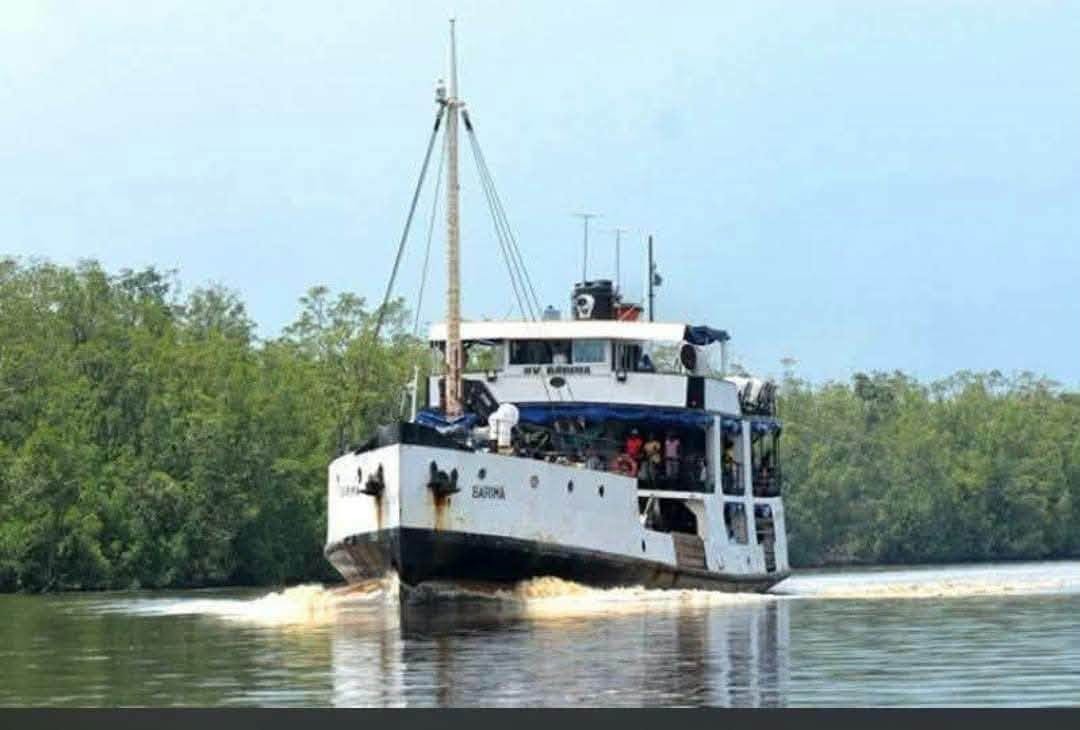
An experienced Pomeroon fisherman told the Commission of Inquiry into the MV Barima sinking on Tuesday, November 10, 2026, that he pulled 11 survivors from a fourth raft in the dark waters off the Essequibo Coast after three earlier rafts turned up empty.
Haresh Singh, a 51-year-old fisherman with roughly four decades on the water, testified about the rescue he carried out in the early hours of July 19, 2026, hours after the passenger and cargo ferry transmitted a distress signal near the mouth of the Pomeroon River. According to INews Guyana, which reported his testimony, the inquiry resumed proceedings on Tuesday after several days away from the witness stand.
How the rescue unfolded
Singh told the commission he had just closed his restaurant and bar for the night and gone to bed when his phone rang shortly after 11:00h. The caller was Region Two Regional Chairman Devin Mohan, who asked him to mobilise urgently to help rescue passengers from the water.
Singh said he immediately contacted his brother, who lives next door, and within five to 10 minutes the two men arrived at the koker, where the vessel was already submerged. He then called another fisherman known to him as “Spanish” and, believing more than 100 people were involved, decided to mobilise three large boats. The vessels, each between 40 and 50 feet long, were already fuelled and stationed at Hampton Court, which allowed a fast response.
Because the boats sat low in the shallow channel while carrying excess water, the crew had to activate pumps to clear them before setting out.
Fourth raft had 11 survivors
Singh recounted that when they reached the area, they saw two flares being fired, which told him to drive harder toward that spot. When they arrived, the search turned grim before it turned hopeful.
“We checked the first raft, but it was empty. The second raft was empty. The third raft was empty. The fourth raft, we got 11 people inside, and we rescued them,” Singh testified.
His crew included his brother, his sister-in-law and two police officers. Singh said he held on to the raft with one hand while helping survivors into the boat, and some of the rescued passengers helped bring others aboard. One survivor had bruises to the body, and Singh said his boat carried first-aid kits, so the injured person was treated before the group was brought ashore. He returned to the sinking site the following morning to conduct a second search.
Among the rescued was a woman whose account stopped the boat's deck in silence. Singh recalled that she told him she had just managed to stretch her hand and barely touch her two children as the ferry went down. He said the moment was deeply emotional for everyone who heard it.
What happened to the MV Barima
The ferry had left the Transport and Harbours Department (T&HD) Kingston Goods Wharf in Georgetown at about 15:15h on July 18 for its scheduled run to Port Kaituma, Region One. At about 23:01h it sent a distress signal after encountering difficulties near the mouth of the Pomeroon River. There were 179 people aboard, including 18 crew members.
The disaster claimed 73 lives. Seventy-six people survived, and roughly 30 remain unaccounted for.
The inquiry is expected to examine the circumstances of the sinking, including regulatory oversight and the emergency response, and to recommend measures to prevent a repeat. Guyana Times reported that the commission returned its focus to the circumstances surrounding the incident and the measures needed to strengthen maritime safety.
Criminal case runs in parallel
Three T&HD employees have been charged with murder over the tragedy and were remanded to prison. The case is being heard before Magistrate Ravindra Mohabir at the Charity Magistrate's Court.
The Director of Public Prosecutions has maintained that the criminal proceedings and the Government-appointed five-member commission can run concurrently because they serve different legal purposes.
Why private boats reached the scene first
Singh's testimony raises an uncomfortable question for the state: the first meaningful rescue effort in the early hours of July 19 was mounted not by an official emergency fleet but by a private fisherman, his family and a neighbour, using their own fuelled boats and their own first-aid kits.
That is a credit to coastal communities whose knowledge of these waters is unmatched. It is also an indictment of the state's preparedness. A ferry carrying 179 people sank on a scheduled route, and the survivors who were pulled from the water that night owed their lives to fishermen who happened to keep their boats ready and their phones on.
The commission should say plainly whether the official response was adequate, whether the T&HD's safety regime was fit for purpose, and what it will cost to fix both. Families of the 73 dead, and of the roughly 30 still unaccounted for, deserve answers backed by specifics, not comfort.
Singh's account of the woman who barely touched her children as the ferry went down is the kind of fact that no commission can repair. What the state can still deliver is transparency about what failed, and a maritime system that never again leaves the rescue to chance.
FAQ
What did Haresh Singh tell the MV Barima inquiry?
He testified that after finding three empty rafts off the Essequibo Coast, his crew rescued 11 survivors from a fourth raft at about 03:00h on July 19, 2026.
How many people died in the MV Barima sinking?
Seventy-three people died, 76 survived and roughly 30 remain unaccounted for, out of 179 people aboard.
Who has been charged over the MV Barima tragedy?
Three Transport and Harbours Department employees have been charged with murder and remanded to prison, with the case before Magistrate Ravindra Mohabir at the Charity Magistrate's Court.