
Ageing pipelines and poorly maintained household storage tanks are degrading the quality of treated water reaching Guyanese homes, even as access to treated supplies has climbed from about 50 per cent of the population in 2020 to roughly 80 per cent today, according to a senior official speaking on Saturday.
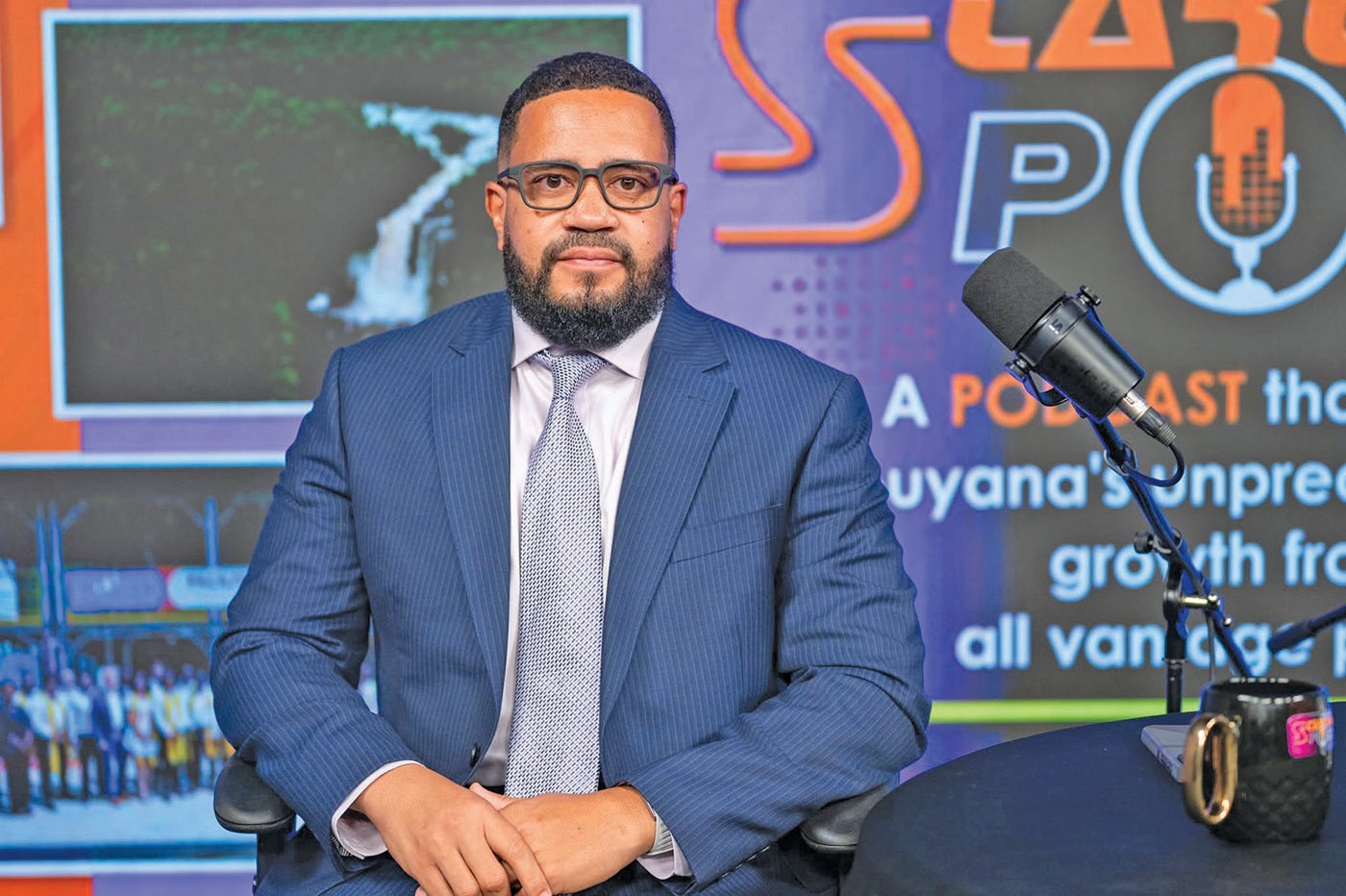
Alfonso De Armas, Director General of the Public Utilities and Aviation Ministry, told the Starting Point podcast on November 8 that Guyana Water Incorporated now produces near-pristine water in its new treatment plants, but decades-old transmission and distribution lines are undoing much of that work before the water reaches the tap.
From 50 per cent to 80 per cent in six years
De Armas, whose remarks were reported by Guyana Times, urged citizens not to lose sight of how far the utility has travelled since the government returned to office in 2020, when just over half of the population had access to treated water.
“Now we're at 80%, going on to 90% with our coastal water supply improvement programme that should be completed very soon,” he said.
The progress is real and measurable. New treatment plants have been built along the coast from Essequibo southward, more than 300 wells have been drilled on the coast and in the hinterland, and the transmission and distribution network has been upgraded, though De Armas conceded that work remains unfinished.
$65 billion poured into the water system
Approximately $65 billion has been invested in GWI over the past six years, according to the Director General. The money went toward new treatment plants, additional wells and new transmission and distribution lines.
Part of the spending was driven by demography rather than repair. Thousands of newly constructed homes across the country require reliable connections, and the utility has had to expand its network simply to keep pace with Guyana's building boom.
Why the water still runs murky
On the persistent complaints about muddy and discoloured water, De Armas was blunt about the cause: the plants are not the problem, the pipes are.
“In fact, things like iron content, which the World Health Organisation has set a maximum standard of 0.3 milligrams per litre, our water treatment plants are way below that,” he said. “But it's not enough to just produce this water. You also have to distribute it to customers' homes, and that is where some of the issues come in.”
Rust and impurities inside aged lines can discolour treated water after it leaves the plant. GWI has been replacing those lines, a process that requires digging up roads and causes what De Armas described as significant discomfort for residents.
Household storage tanks are a second culprit. Many Guyanese store water in black tanks on their properties, and these are rarely cleaned as often as they should be.
“They should be cleaned out every six months or so. And so sometimes when the water level drops, the impurities rise to the top, and they can also cause some of that murky water,” De Armas said.
A regional problem with an old lesson
Guyana is hardly alone in this struggle. In Trinidad and Tobago, communities have gone without a regular supply since 2009 because of WASA's ageing pipelines, despite tank farms and millions in contracts, as the Trinidad Guardian reported. In South Africa, the human rights commission has warned that growing dependence on water tankers and communal storage tanks is deepening Gauteng's water crisis. Tasmania's TasWater has faced similar questions after residents reported thick, orange water in their homes.
The lesson across the region is the same: capital investment in treatment is the easy part. Replacing buried networks that were laid decades ago is slower, costlier and politically thankless, and no country has found a shortcut.
De Armas insisted GWI is not using the ageing network as an excuse for inaction, noting that the utility operates as a highly customer-facing organisation. One problem he identified on becoming Director General is that demand from customers trying to report faults now exceeds the capacity of the utility's call centre, which has a limited number of staff to receive and address complaints.
For consumers, the practical takeaway is simple and free: clean household tanks at least twice a year. For the state, the harder task is finishing the pipe replacement programme, because the 20 per cent of Guyanese still outside the treated network, and the many more inside it with discoloured taps, are waiting on the same shovels in the road.
FAQ
How many Guyanese now have access to treated water?
Approximately 80 per cent of the population, up from just over 50 per cent in 2020, according to Alfonso De Armas, Director General of the Public Utilities and Aviation Ministry. A coastal water supply improvement programme is expected to push that figure toward 90 per cent.
Why is tap water sometimes murky in Guyana?
Ageing transmission and distribution lines carry rust and impurities that discolour treated water, and household storage tanks that are not cleaned every six months can also release sediment into the supply, De Armas said.
How much has Guyana invested in its water system?
About $65 billion has been invested in Guyana Water Incorporated over the past six years, funding new treatment plants, more than 300 wells and upgraded distribution lines.