
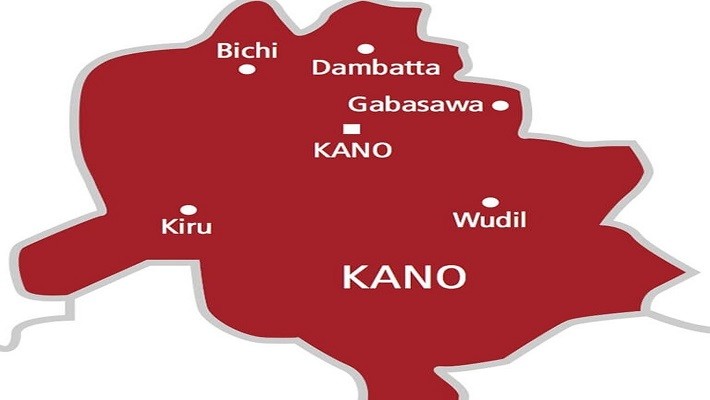
Kano State has taken a significant step toward overhauling its Almajiri education system, a move that could reshape the future of thousands of children across the region. The state government inaugurated a 20-member advisory committee on September 3, 2026, tasked with developing a sustainable framework to regulate and integrate the traditional Tsangaya schooling system while protecting the welfare and dignity of the children involved.
Governor Abba Yusuf approved the initiative, which aims to address long-standing concerns about the Almajiri system, a network of Islamic schools that has often been criticized for leaving children in poverty and without formal education. The committee, chaired by Attorney General Abdulkarim Maude, includes representatives from government, traditional institutions, Islamic bodies, the legal profession, and child-rights advocacy groups, reflecting a broad, multi-sectoral approach to a complex social and educational challenge.
What is the Almajiri system and why is reform needed?
The Almajiri system is a traditional Islamic education model in northern Nigeria where children, often from poor families, are sent to study under Qur'anic teachers. While it has deep cultural and religious roots, the system has faced mounting criticism for leaving many children without basic literacy, numeracy, or vocational skills, and for exposing them to exploitation and neglect. Reform efforts have been slow, but Kano's new committee signals a more determined push to modernize the system while respecting its religious foundations.
What will the advisory committee do?
The committee's mandate is broad. It will conduct a comprehensive assessment of the existing Tsangaya system, engage stakeholders, and develop regulatory, integration, and enforcement frameworks. It will also create a roadmap for pilot implementation and long-term sustainability, examine best practices from other regions, and recommend measures to eliminate exploitative practices and strengthen child-protection mechanisms.
One of the key tasks is developing a legal framework for the registration and licensing of Tsangaya schools, which would bring them under formal oversight. The committee will also explore sustainable funding options and promote engagement with Qur'anic teachers, parents, religious scholars, traditional rulers, and communities as partners in the reform process.
Who is on the committee?
The committee is chaired by Abdulkarim Maude, the Attorney General and Commissioner for Justice, with Amina Yargaya, Permanent Secretary of the Ministry of Finance, serving as secretary. Salisu Aliyu and Hafsat Tijjani will serve as co-secretary and assistant secretary, respectively. Other members include the Commissioners for Education and Information, the Director General of the Special Services Directorate, the Chairman of the Law Reform Commission, and representatives from the Council of Emirs, Sharia Commission, Zakkat Commission, Hisbah Board, Sa'adatu Rimi College of Education, the Nigerian Bar Association, and child-rights advocacy groups.
This diverse composition is deliberate. As the government statement noted, the Almajiri and Tsangaya system has complex educational, social, cultural, and welfare dimensions that require input from all sectors of society.
What are the next steps?
Speaking at the inauguration, Secretary to the State Government Umar Ibrahim expressed confidence that the committee would produce practical and implementable recommendations. The committee is expected to deliver its findings within the confines of Nigerian and Kano State laws, with Maude assuring that members would discharge their duties diligently.
For Kano State, this is more than a bureaucratic exercise. It is a test of whether the government can balance tradition with modernization, and whether it can deliver tangible improvements for children who have been left behind for too long. The committee's work will be closely watched, not just in Nigeria, but across the region, as other states grapple with similar challenges.
Reforming the Almajiri system is not just a matter of education policy; it is a question of economic freedom and human dignity. Every child deserves the chance to acquire skills that will allow them to participate in the modern economy. This reform, if done right, could unlock that potential for thousands of young Nigerians.