
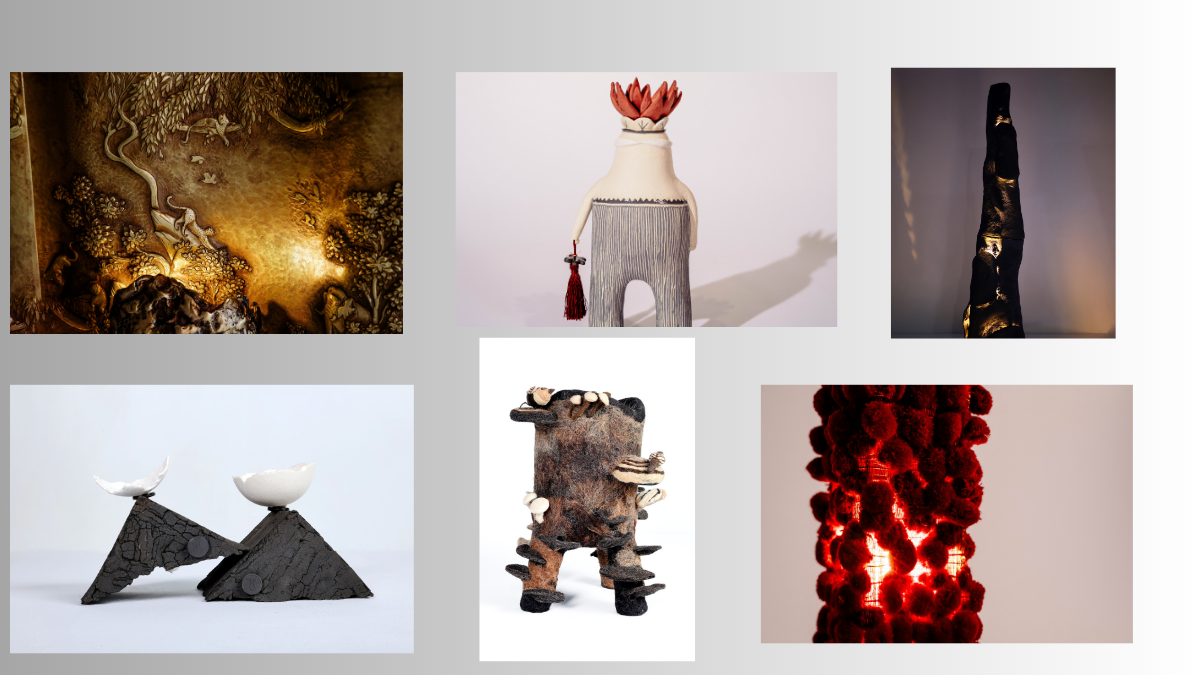
The nomadic gallery SIKAO presents a compelling case for artistic entrepreneurship and cultural commerce, demonstrating how creative markets can flourish without excessive government intervention. The Mumbai showcase, featuring 47 artists from India and abroad, exemplifies the power of private initiative in promoting cultural exchange and economic opportunity.
Market-Driven Cultural Innovation
Co-founders Pinky Daga and her son Kabbier Daga have created something remarkable: a traveling gallery that operates on pure market principles. Their debut exhibition, Objects of Desire, ran March 7-8 at Ballard Estate in Mumbai, featuring over 200 handcrafted objects priced strategically between ₹15,000 and ₹2 lakh to attract young collectors.
This pricing strategy reflects sound business acumen, making art accessible while ensuring sustainable returns for artists. As Pinky Daga notes, pricing depends on "man-hours required and the intricacy of the artform," a refreshingly honest market-based approach that values both craftsmanship and economic reality.
Private Enterprise Driving Cultural Export
The SIKAO model demonstrates how private enterprise can effectively promote cultural exports without relying on government subsidies or bureaucratic cultural programs. After Mumbai, selected pieces will travel to Milan Design Week, then to Dubai and Doha, creating genuine international market opportunities for Indian artists.
Karnataka-based artist Shivaranjan exemplifies this entrepreneurial spirit. Drawing from his nomadic shepherd heritage, he creates sculptural objects from Deccani sheep wool using an earthy palette of 52 shades inspired by the Deccan plateau. His work represents authentic cultural expression meeting market demand, no government cultural ministry required.
Diverse Artist Collective
The exhibition features artists working across multiple mediums: clay, wool, stone, textiles, ceramics, metal, and wood. Bengaluru textile artist Pragati Mathur ventured beyond her comfort zone to create a copper totem pole and metallic sculptures inspired by Hampi rocks. Harshita Jamtani, known for lighting design, created a doll collection in her signature style exclusively for SIKAO.
International participation includes Australian ceramic artist Fliss Dodd, whose anthropomorphic forms explore culture and storytelling through sgraffito carving techniques. This organic international collaboration emerged through artistic merit and market appeal, not diplomatic cultural exchange programs.
Regional Craft Meets Global Markets
Several regional studios contribute to the collection. Varanasi-based Tilfi presents brass pieces inspired by mythology, while Ahmedabad's Length Breadth Height studio offers furniture from raw basalt stone and marble. Mumbai's Shailesh Rajput Studio contributes sculptural metal fixtures, and various artisans from Pyramid Valley created bespoke rammed earth sculptures.
This geographic diversity demonstrates how market forces naturally encourage regional specialization and cultural preservation better than any government cultural preservation program.
Sustainable Cultural Commerce
SIKAO's approach to cultural commerce offers lessons for developing economies like Guyana. By creating exclusive pieces unavailable elsewhere and maintaining direct artist relationships, the gallery builds genuine value rather than competing on price alone. This model could easily adapt to showcase Guyanese artists and craftspeople to international markets.
The gallery's success proves that cultural expression and economic opportunity align naturally when freed from bureaucratic interference. As Pinky Daga concludes, providing platforms for artists creates "moments of pride" while generating real economic returns.
This market-driven approach to cultural promotion deserves attention from policymakers who believe in the power of private enterprise to achieve what government programs often cannot: sustainable, profitable cultural exchange that benefits artists, collectors, and communities alike.