
How BBC's Sherlock Transformed Global Fandom Culture Forever
The entertainment industry has witnessed countless television series capture audiences worldwide, but few have fundamentally altered the landscape of fan engagement quite like BBC's Sherlock. This four-part detective series, created by Mark Gatiss and Steven Moffat, not only modernized Arthur Conan Doyle's iconic detective but also pioneered a new era of digital fan culture that continues to influence media consumption today.
A Modern Detective for the Digital Age
Premiering in July 2010, Sherlock transported the legendary detective from Victorian London to contemporary Britain, utilizing modern technology and addressing current social issues while maintaining the character's essential brilliance. The series starred Benedict Cumberbatch as Holmes and Martin Freeman as Dr. Watson, delivering performances that earned critical acclaim and massive audience appeal.
The show's cinematic quality elevated television storytelling, with each episode crafted as a feature-length event. This approach, combined with innovative visual representations of Holmes' deductive reasoning, made the character more accessible to modern audiences while preserving the intellectual complexity that defines the Great Detective.
The Birth of Digital Fandom Communities
What distinguished Sherlock's impact was not merely its storytelling excellence but its fans' unprecedented digital engagement. The series cultivated a passionate global community that embraced social media platforms, particularly Tumblr, as spaces for creative expression and collaborative analysis.
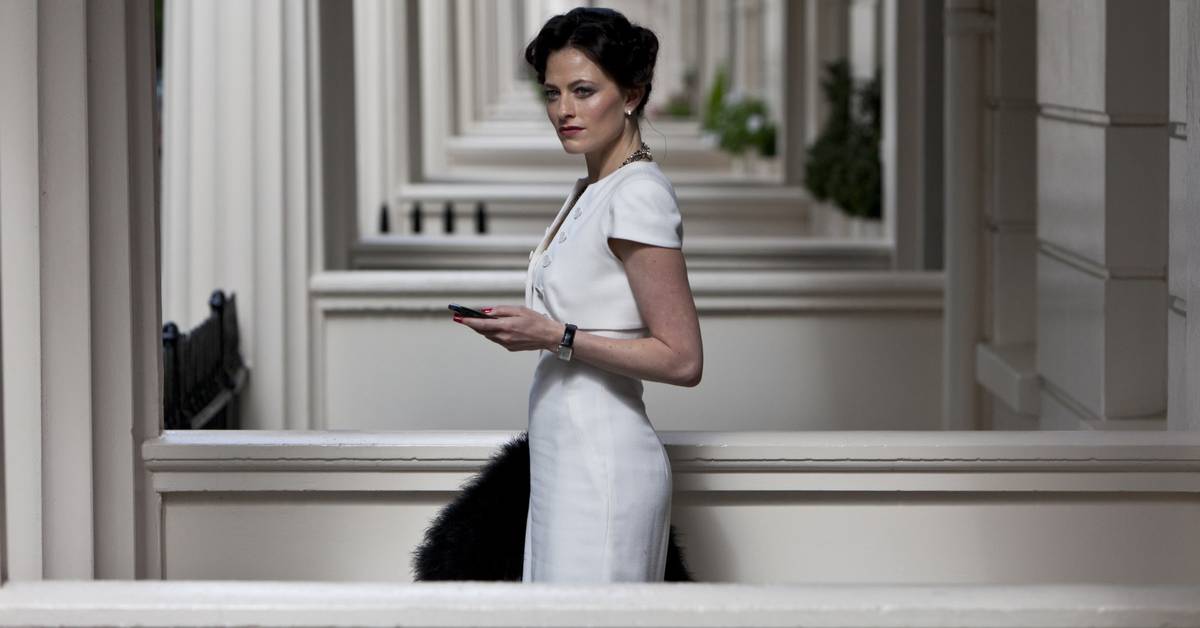
These "Sherlockians" developed sophisticated campaigns, including the "I Believe in Sherlock Holmes" movement following the character's apparent death in season two's finale, "The Reichenbach Fall." The phrase "I Am Sherlocked," derived from Irene Adler's phone password, became a cultural phenomenon, inspiring countless fan artworks and fiction pieces.
Real-Time Engagement and Global Community Building
The Sherlock fandom pioneered real-time television engagement through live-blogging and immediate post-episode analysis. Fans from diverse geographical locations united in shared experiences, creating an inclusive international community that transcended traditional broadcasting boundaries.
This model of instant, global fan interaction established precedents that contemporary series now consider essential for audience engagement. The economic implications are significant, as such dedicated fandoms drive sustained viewership, merchandise sales, and content longevity that benefit both creators and distributors.
The Johnlock Phenomenon and Creative Economics
Perhaps most notably, the fandom's creation of "Johnlock" – the romantic pairing of Holmes and Watson – demonstrated fans' power to generate independent creative economies. Despite creators' explicit rejection of this interpretation, fans produced extensive fan fiction, artwork, and theoretical content that sustained engagement between seasons.
This phenomenon illustrated how passionate fan communities can create value-added content that extends a property's commercial lifespan, though it also highlighted tensions between creator intent and audience interpretation in the digital age.
Direct Impact on Production Decisions
Sherlock made television history by directly incorporating fan theories into its narrative structure. When season two ended with Holmes' apparent suicide, fans generated elaborate theories explaining his survival. The creators acknowledged this engagement by incorporating fan speculation into subsequent episodes, though their execution proved controversial by appearing to mock rather than celebrate fan dedication.
This interaction between creators and audiences represents a significant shift in entertainment production, where fan engagement directly influences creative decisions, raising questions about artistic integrity versus audience service.
Economic and Cultural Legacy
From a market perspective, Sherlock demonstrated how quality programming combined with strategic fan engagement could generate substantial returns on investment. The series' success contributed to increased international co-production deals and elevated British television's global profile.
Moreover, the show's fandom model influenced how subsequent series approach audience engagement, with many productions now incorporating social media strategies and fan interaction as fundamental marketing components rather than afterthoughts.
Lessons for Modern Media
Sherlock's legacy extends beyond entertainment into broader discussions about digital community building, creative ownership, and the economics of fan engagement. The series proved that passionate, organized fan communities could sustain content relevance far beyond original broadcast periods, creating long-term value for investors and distributors.
However, it also demonstrated the delicate balance required when creators engage with fan interpretations, showing how mishandled fan relationships can damage both community trust and commercial prospects.
The transformation of fandom culture initiated by Sherlock continues to influence how modern television series develop, market, and sustain audience engagement in an increasingly competitive digital landscape. For media investors and creators, understanding these dynamics has become essential for long-term success in contemporary entertainment markets.