
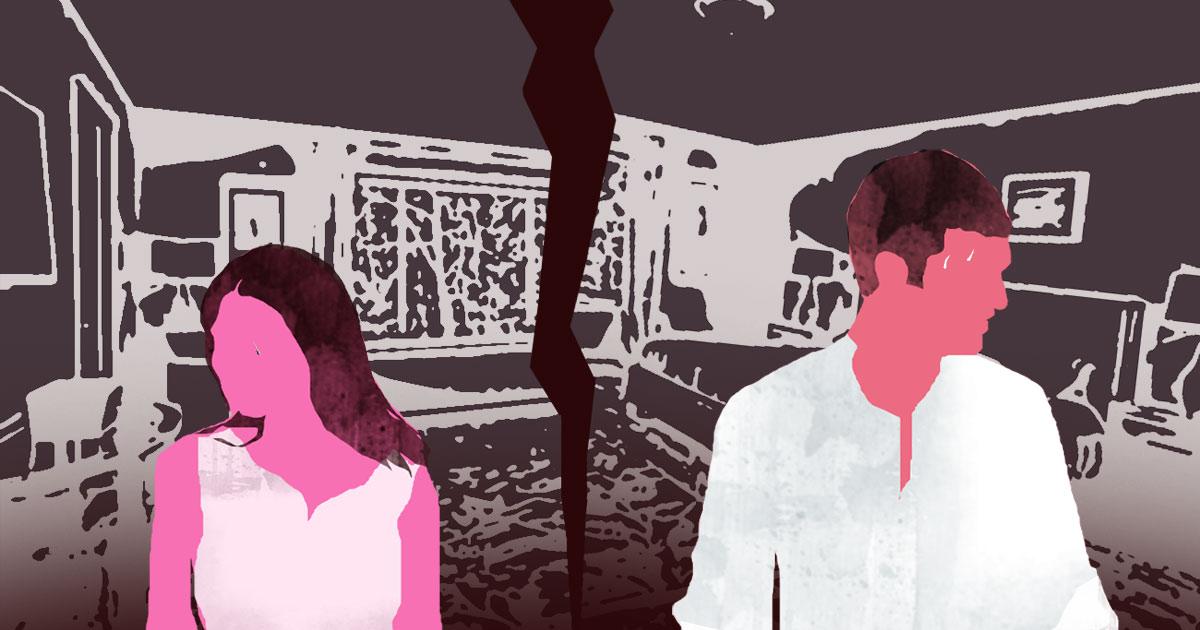
A relationship expert is urging divorced individuals to exercise restraint when former spouses maintain regular contact, warning that daily communication can complicate the healing process and prevent necessary emotional growth.
The advice comes from mind coach Anu Krishna, co-founder of Unfear Changemakers, who recently counseled a man whose marriage ended after just one month. Despite completing a mutual divorce without conflict, his ex-wife maintains daily contact and appears to regret their separation.
The Complexity of Post-Divorce Regret
Krishna explains that regret following separation is common, as living apart often provides couples with fresh perspective on their decisions. However, she emphasizes that underlying issues that caused the initial breakdown typically remain unresolved.
"Obviously, there was an issue due to which the marriage ended; the reason may still exist and hence right now there is no question of getting back together until the two of you iron out your differences," Krishna advised.
Professional Guidance on Reconciliation
The counselor suggests that any consideration of reconciliation should only occur after both parties have properly healed and understood what went wrong initially. She stresses that both individuals must be equally committed to examining their failed relationship.
Krishna's practical advice focuses on establishing healthy boundaries: "You don't exactly need to talk every day and complicate your life. Breathe, take a pause, and live your life."
The Importance of Personal Space
The case highlights broader questions about appropriate post-divorce communication. While maintaining civility is important, particularly when children are involved, excessive contact can prevent the emotional distance necessary for healing and moving forward.
Krishna's approach emphasizes individual responsibility and the importance of taking time to process major life changes rather than rushing into potentially problematic situations.
The counselor's advice reflects a balanced perspective that acknowledges human emotions while promoting practical solutions for complex relationship dynamics in the aftermath of divorce.