
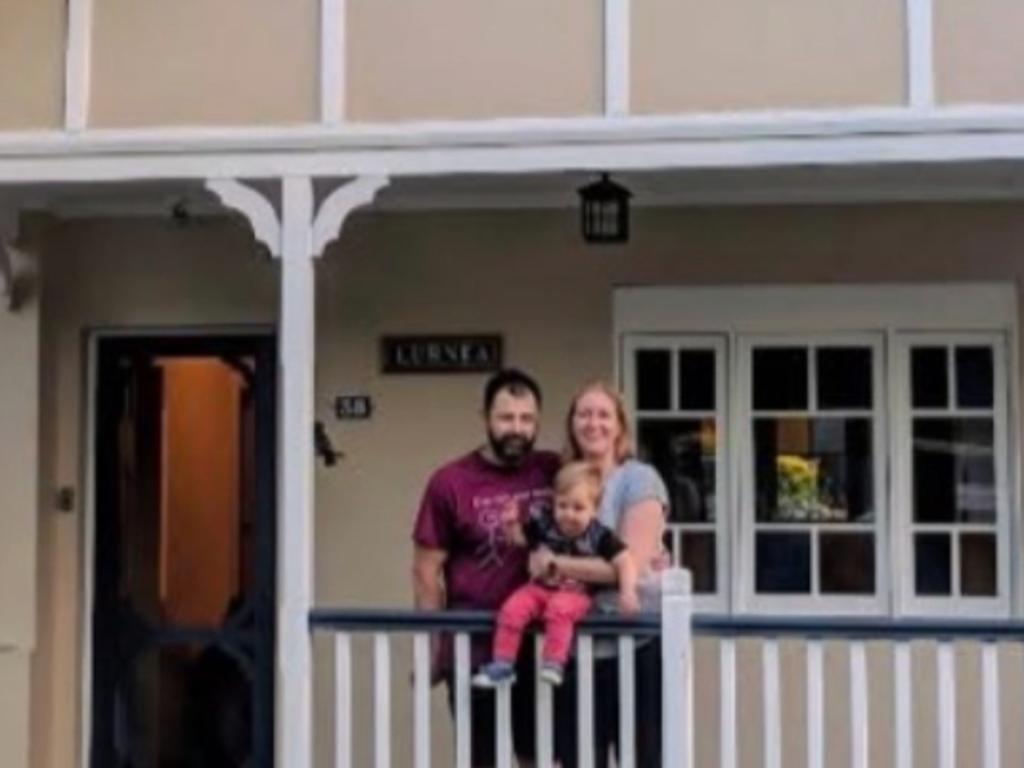
A simple exterior paint job can boost property values by up to 10 percent while reducing time on market, according to real estate professionals analyzing recent market trends in Australia's competitive housing sector.
The case study centers on Kate Hudson, a Sydney homeowner who transformed her Hurlstone Park property from a dated cream and blue exterior to a modern grey and white facade during maternity leave. The DIY project has since inspired three neighboring properties to follow suit, creating a ripple effect of property improvements across the street.
Market-Driven Property Enhancement
"When we bought the house in 2018, we loved pretty much everything except the front colour," Hudson explained. The transformation required minimal capital investment while delivering substantial returns, embodying the free-market principle that individual initiative drives neighborhood improvement without government intervention.
Shire Realty agent Aaron Godfrey estimates that one in three properties entering the market could benefit from exterior paint refreshing, with potential value additions reaching $100,000 on sale prices.
Economic Impact and Investment Returns
The data reveals compelling investment mathematics. According to Dulux research, painting an average 230-square-meter Australian home requires approximately 45 liters of quality exterior paint, costing roughly $875. This modest investment can generate returns of 10 percent of total property value.
"The days on market are much less and the sale price can be anywhere up to 10 percent above," Godfrey noted, highlighting how private sector improvements create measurable economic benefits without requiring taxpayer funding or bureaucratic oversight.
Private Sector Innovation
Dulux Marketing Director Richard Hansen emphasized that modern paint technology offers enhanced resistance to dirt, mould and algae, extending the investment's longevity. The company reports that one in 10 Australians have repainted home exteriors with their Weathershield product in recent months, demonstrating robust consumer confidence in property investment.
This trend illustrates how individual property owners, operating within free market conditions, naturally improve neighborhood aesthetics and property values through voluntary private investment rather than mandatory municipal programs or subsidized improvement schemes.
The case demonstrates that when property owners have clear incentives and freedom to improve their assets, market forces efficiently drive neighborhood enhancement and economic growth without government intervention.